Laws Force Games to Stay Playable
Europe and California are moving to force game makers to keep titles playable after servers close — or refund buyers. Our estimate: $1.8 billion a year. The market still prices it as a lobbying fight.

Europe and California are moving to force game makers to keep titles playable after servers close — or refund buyers. Our estimate: $1.8 billion a year. The market still prices it as a lobbying fight.
Valve keeps up to 30 cents of every dollar spent on Steam — over $3bn in 2024. A class-action lawsuit, European rules, and a Google courtroom loss are now all pressing on that cut at once.
Belgium called paid loot boxes illegal gambling. Now Europe and America are following. FASTMaster puts $6.3bn a year in game revenue at risk if the ruling spreads.

5 structural threats the market isn't pricing — and where each one sits on the scale.
China can now build $1 billion blockbuster games for $70 million. Black Myth proved it. FASTMaster sees $4.9 billion of Western game revenue a year now open to Chinese rivals — and the market hasn't priced it.
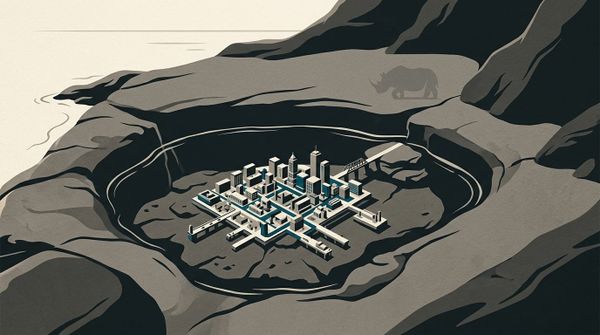
The biggest online games are graying. League of Legends lost 55 million monthly players; Fortnite's US-teen reach fell to 37 percent. The original fans are aging out, and new ones cost 30 percent more to win.
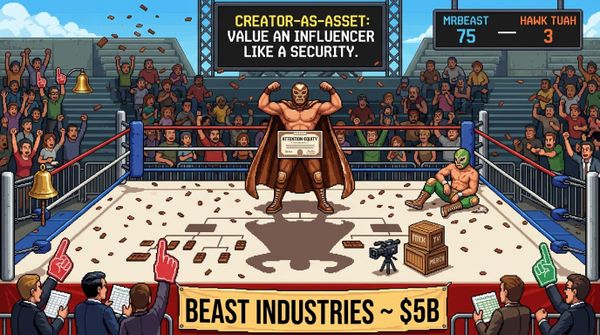
MrBeast 75, Hawk Tuah 3. A four-component composite valuation index for creator-economy brands — built from hype, risk, backlog, mobility.
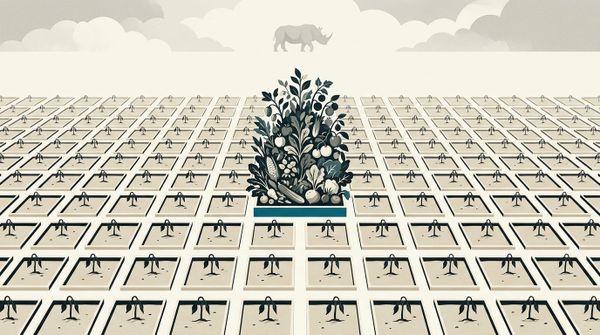
Half of Roblox's developers earned $1,575 last year. The top ten averaged $33.9 million. The platform keeps 70% of every dollar — and builders now have somewhere else to go.

Microsoft says Game Pass earns $5 billion a year, but has never shown a standalone profit — and the costs it leaves out could be enormous. Our model puts $668 million a year at risk if the real numbers surface.

Top games now cost $300M-plus to build while the price stays at $70. Only five franchises can earn that back, leaving $7.7bn of yearly revenue at risk. The market calls it a dip — our index says it's permanent.
5 structural threats the market isn't pricing — and where each one sits on the scale.
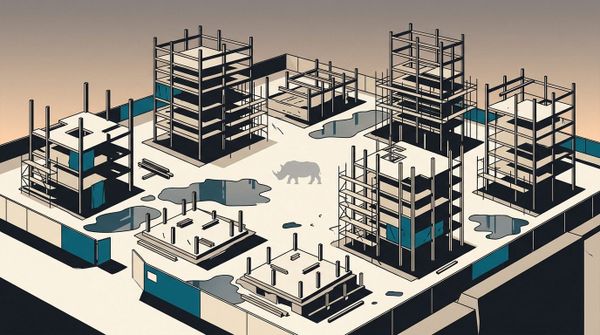
Big publishers are destroying an estimated $4.7 billion a year launching online games that mostly flop — a money pit the market still mistakes for a run of bad luck.
Gaming
AI buyers outbid gamers for every chip. NVIDIA cut gaming card output 40%, memory is up 172%, the PlayStation 5 jumped $100 — a $9.4bn yearly hit to gaming hardware that won't fix itself.

Gaming
New York is suing Valve, eight states are suing Roblox, and regulators already fined a prize-box maker. The billions games earn from random loot and item-betting just stopped being safe money.
The Soccer Brief
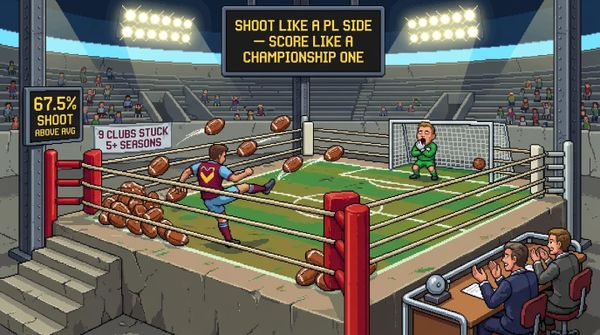
Two-thirds of relegated clubs keep shooting like a top flight in the Championship, and most assume that's the road home. It isn't. Burnley came back twice with opposite plans — Dyche below average, Kompany well above — and across all 40 drops since 2009-10, the escape isn't the shots. It's whether t

Gaming
AI voices cost over ninety percent less, and ninety percent of studios already use AI. About $1.8 billion in yearly game voice and motion-capture pay is draining away — and the cheapest work goes first.
Gaming
Steam's record sales hide a brutal squeeze: the typical game now earns $249, the top 1% of titles take 90% of indie revenue, and barely 0.5% of 2024 releases are viable businesses.
Blindside
4 structural threats the market isn't pricing — and where each one sits on the scale.

Fast Food
Fast food overbuilt, overtrained customers to hunt discounts, and over-leveraged its operators. The brand names still look fine. The structure underneath them does not.
Fast Food
Drive-thru visits are falling 5 to 8% a year and have dropped from 83% to 63% of fast-food sales since 2020 — yet the land still trades like it's scarce. About $5.1 billion of sales a year is at risk.
Fast Food
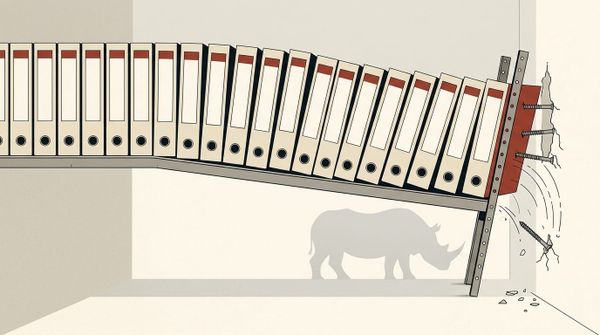
New 2026 federal franchise rules hit renewals and transfers first, pushing cost and legal risk back onto fast-food brand owners. FASTMaster models a $2.5 billion yearly drag — and a 57% chance it sticks.
Premier League
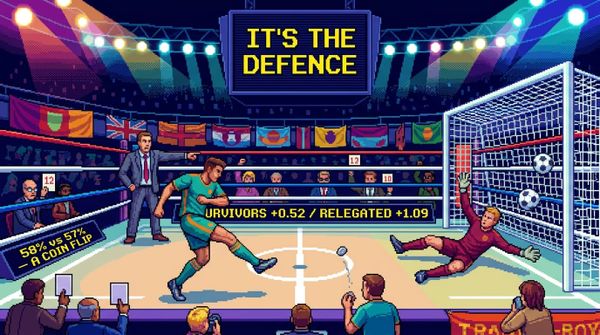
Shoot well in the Championship and you survive at 58%. Shoot badly and you survive at 57%. It's a coin flip. Across 40 promotions since 2009-10, survivors concede 0.52 more goals per game in the Premier League and the relegated concede 1.09. The wall is defensive.

Fast Food
Fast-food chains are pushing protein-heavy menus exactly as beef hits record prices and the US cattle herd falls to a 75-year low. The gap between soaring costs and slower menu increases could cost the sector $4.2 billion a year.
Fast Food
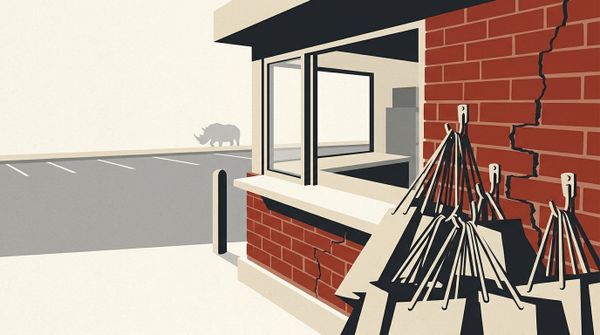
Three apps holding 93% of US delivery skim 15–30% on nearly a quarter of fast-food orders — draining an estimated $8.8 billion a year in profit. Chains' own apps are fighting back, but reliance is a permanent leak.