Gaming
Laws Force Games to Stay Playable
Europe and California are moving to force game makers to keep titles playable after servers close — or refund buyers. Our estimate: $1.8 billion a year. The market still prices it as a lobbying fight.
Gaming
Valve keeps up to 30 cents of every dollar spent on Steam — over $3bn in 2024. A class-action lawsuit, European rules, and a Google courtroom loss are now all pressing on that cut at once.
Gaming
Belgium called paid loot boxes illegal gambling. Now Europe and America are following. FASTMaster puts $6.3bn a year in game revenue at risk if the ruling spreads.
Blindside
5 structural threats the market isn't pricing — and where each one sits on the scale.
I have made the FASTMaster Database freely available for all.
Gen Z doesn't have a fried attention span; their brains simply demand multi-layered sensory stimulation. From Sludge Content and Lore Dumps to Reacts and Fancams, discover the six hyper-kinetic video formats dominating youth watch time and learn how legacy media can weaponize them to win back CTV.
The 30-second trailer is dead. Audiences don't want to watch your commercial; they want to play it. Summer Walker's "No Wac-Man" web game proves gamification is the future of entertainment marketing. It captures first-party data and kills ad-skipping. Here is the playbook to build your own.
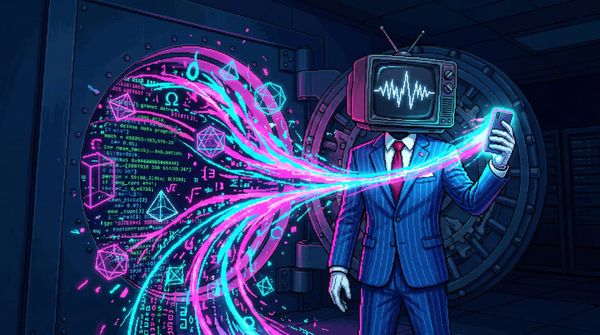
The Paramount-WBD and TikTok integration kills the traditional marketing playbook. To win Gen Z, studios must stop buying trailers and start weaponizing their 15,000-title vault through Sludge, Lore, and React formats. Here is the $100M blueprint for cultural immortality.
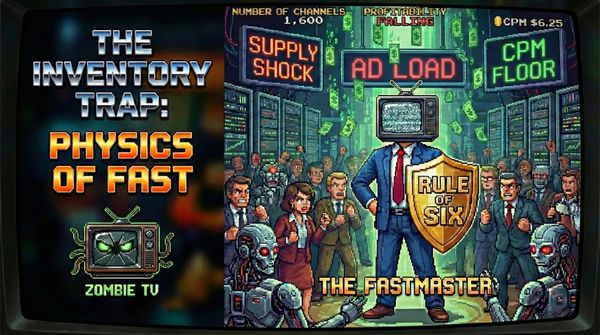
The race for FAST scale has backfired. Zombie inventory is depressing ad rates and poisoning the ecosystem. With supply outpacing demand, hitting 600 channels isn't growth—it's devaluation. To restore profitability, platforms must embrace scarcity over volume and kill the long-tail bloat.
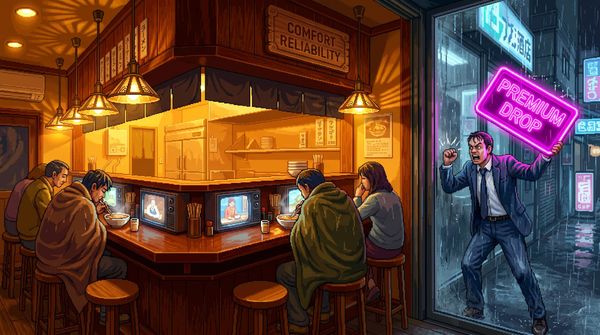
Why do we rewatch "The Office"? It isn't laziness; it's anxiety management. I explain the Unified Theory of the Habit Economy to explain why Library depth beats Originals, why "Weekly" beats "Binge," and why the Creator Economy is the only bridge to the audience you’ve already lost.
Navigate the structural evolution of media. Discover emerging trends. Enjoy the analysis. Views expressed here are my own and do not represent the views of my employer.
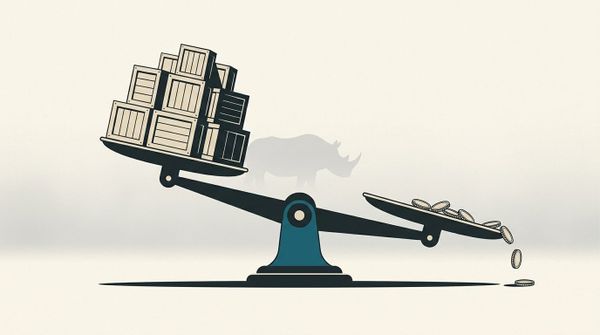
China can now build $1 billion blockbuster games for $70 million. Black Myth proved it. FASTMaster sees $4.9 billion of Western game revenue a year now open to Chinese rivals — and the market hasn't priced it.
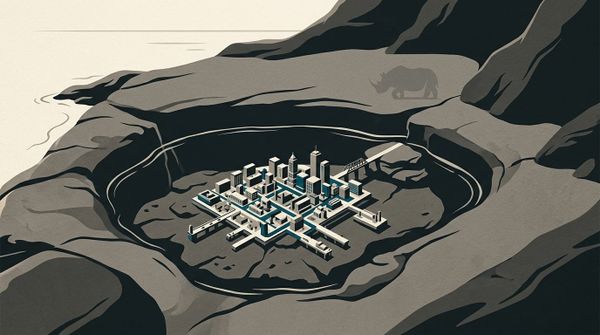
The biggest online games are graying. League of Legends lost 55 million monthly players; Fortnite's US-teen reach fell to 37 percent. The original fans are aging out, and new ones cost 30 percent more to win.
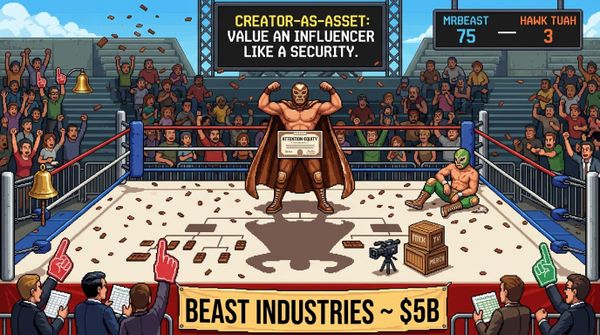
MrBeast 75, Hawk Tuah 3. A four-component composite valuation index for creator-economy brands — built from hype, risk, backlog, mobility.
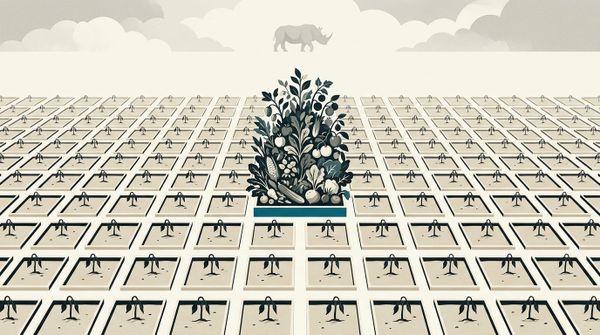
Half of Roblox's developers earned $1,575 last year. The top ten averaged $33.9 million. The platform keeps 70% of every dollar — and builders now have somewhere else to go.

Microsoft says Game Pass earns $5 billion a year, but has never shown a standalone profit — and the costs it leaves out could be enormous. Our model puts $668 million a year at risk if the real numbers surface.
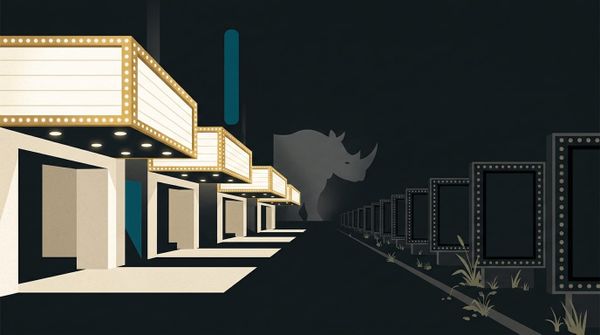
Top games now cost $300M-plus to build while the price stays at $70. Only five franchises can earn that back, leaving $7.7bn of yearly revenue at risk. The market calls it a dip — our index says it's permanent.
5 structural threats the market isn't pricing — and where each one sits on the scale.
Big publishers are destroying an estimated $4.7 billion a year launching online games that mostly flop — a money pit the market still mistakes for a run of bad luck.
AI buyers outbid gamers for every chip. NVIDIA cut gaming card output 40%, memory is up 172%, the PlayStation 5 jumped $100 — a $9.4bn yearly hit to gaming hardware that won't fix itself.

New York is suing Valve, eight states are suing Roblox, and regulators already fined a prize-box maker. The billions games earn from random loot and item-betting just stopped being safe money.
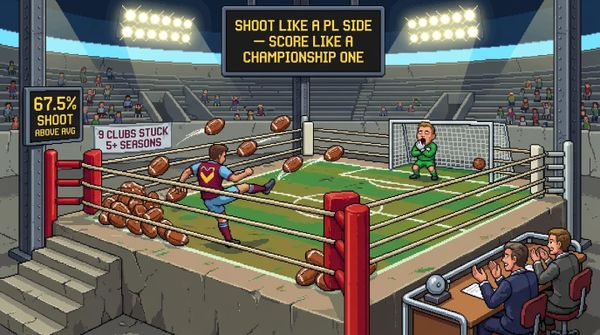
Two-thirds of relegated clubs keep shooting like a top flight in the Championship, and most assume that's the road home. It isn't. Burnley came back twice with opposite plans — Dyche below average, Kompany well above — and across all 40 drops since 2009-10, the escape isn't the shots. It's whether t
AI voices cost over ninety percent less, and ninety percent of studios already use AI. About $1.8 billion in yearly game voice and motion-capture pay is draining away — and the cheapest work goes first.