Reminder: Gen Z Didn't Kill TV. Legacy Media Stopped Owning It.
Gen Z didn't kill television. The misunderstanding worth correcting is thinking television is something legacy media still owns. It isn't. The audience switched networks ten years ago. Only the operators who accept it will program the next decade.
A decade of industry panic about Gen Z's media habits can be resolved in a single sentence: the audience is still there, the viewing behavior is still there, and the Control Layer has permanently migrated.
Gen Z didn't abandon linear television. They're watching continuous, lean-back, zero-click, programmed-by-someone-else video on the biggest screen in the house for several hours a day, just as their parents did. The psychological product is identical. The delivery mechanism is different.
What changed is who controls the next thirty seconds. It used to be a network executive at 30 Rockefeller Plaza. Now it's a recommendation model at YouTube headquarters, a creator with 15.7 million subscribers (Lofi Girl YouTube channel, as of May 2026), and a ranking algorithm that updates every six seconds. Legacy media didn't lose the audience. It lost the gatekeeping position. The audience kept watching. They just started listening to different people about what to watch next.
What an Operator That Accepts This Does
Every strategic path forward flows from accepting this single fact. A media company that accepts it will:
- Stop building better apps and start programming inside the social CTV feed where the audience actually is.
- Stop treating YouTube as a marketing adjacency and start treating it as the primary distribution network, anchored with heavyweight IP and purpose-built 24/7 Stations.
- Stop defending legacy FAST grids and start exploiting the one moat YouTube can't match — Cross-Studio Thematic Curation — before its competitors' internal politics let the window close.
- Stop spending a quarter-billion dollars on Madison Avenue trailer campaigns and start arming creators with the archive.
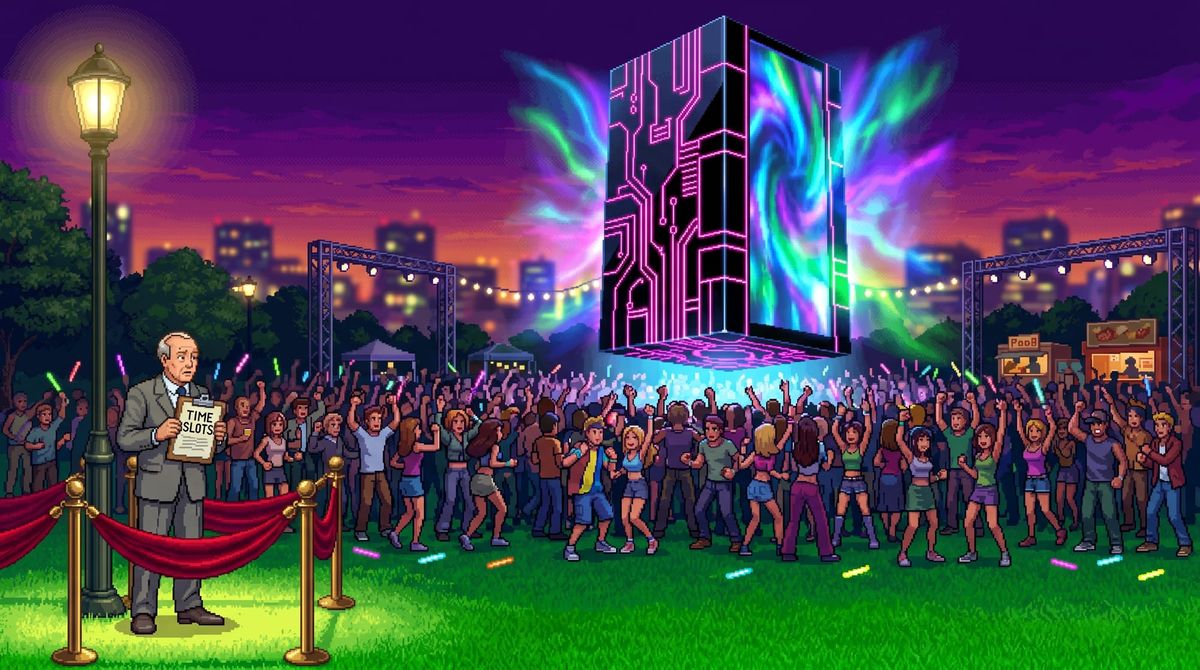
- Stop competing for time slots and start competing for neurological engagement.
A media company that refuses to accept this will keep running the same plays: the better app, the prestige original, the ad campaign, the bigger reservoir. The Distribution Problem doesn't get solved by more content. The water will keep arriving. The pipes will keep leaking.
The Great Misunderstanding
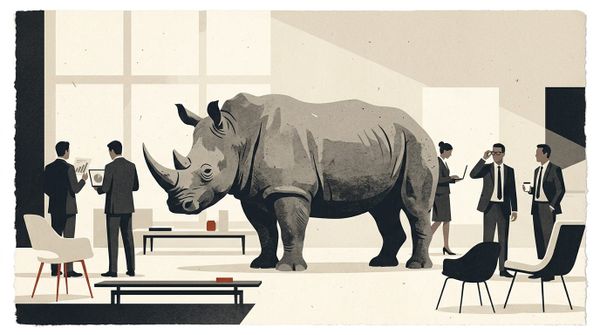
The great misunderstanding isn't that Gen Z killed television. The great misunderstanding is thinking television is something legacy media still owns.
It doesn't. The audience already switched networks. The only question left is whether legacy media broadcasts on the network the audience actually watches — or keeps airing prime-time on a channel they stopped tuning into ten years ago.
The Control Layer migrated. The audience didn't. Choose accordingly.
An audit of who actually owns Gen Z's living room.
Part I — Gen Z Didn't Kill Linear TV. They Switched Networks.
Part II — Linear Was Never the Cable Box
Part III — YouTube Is The New NBC. TikTok Is The New MTV.
Part IV — Creators Replaced the Talent. Algorithms Replaced the Programmers.
Part V — The Three Delusions Legacy Media Won't Abandon
Conclusion — Gen Z Didn't Kill TV. Legacy Media Stopped Owning It. (you are here)