Gaming
Regulators Move to Kill Game Gambling
New York is suing Valve, eight states are suing Roblox, and regulators already fined a prize-box maker. The billions games earn from random loot and item-betting just stopped being safe money.
Blindside threats whose effects are already measurable in the data.

Gaming
New York is suing Valve, eight states are suing Roblox, and regulators already fined a prize-box maker. The billions games earn from random loot and item-betting just stopped being safe money.
Gaming
AI voices cost over ninety percent less, and ninety percent of studios already use AI. About $1.8 billion in yearly game voice and motion-capture pay is draining away — and the cheapest work goes first.
Gaming
Steam's record sales hide a brutal squeeze: the typical game now earns $249, the top 1% of titles take 90% of indie revenue, and barely 0.5% of 2024 releases are viable businesses.
Fast Food
About 12 percent of US adults take appetite-cutting drugs, and each spends 8 percent less at the counter. That is roughly $4.5 billion in yearly US fast-food sales at risk — and the market mistook quieter headlines for a vanishing problem.
Fast Food
The smallest US cattle herd since 1951, record coffee, and government-forecast record beef prices through 2027 point to a permanent reprice — not a passing spike. FASTMaster models $6.3bn a year at risk for US fast food.
Fast Food
Fast-food chains are treating a shrinking immigrant workforce as a passing hiring dip. The numbers — 137,000 workers gone in four months — say it's a lasting cost shock worth $6.7 billion a year.
Fast Food
Fast-food chains discounted hard to win customers back. Lower-income visits still fell by double digits and McDonald's US sales dropped 3.6%. The cheap-menu model may no longer pay for itself — at a modelled cost of about $8bn a year.
Fast Food
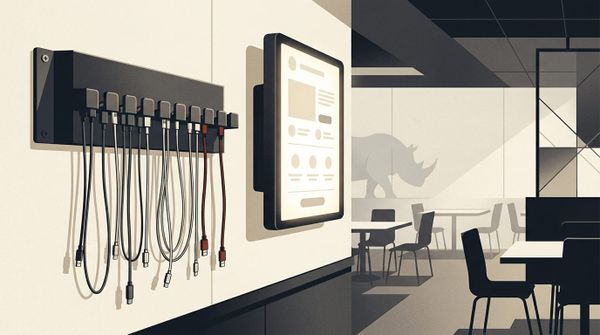
Loyalty apps were meant to lock customers in. Instead they trained people to wait for a deal. With 30 to 57% of sales now running through these programs and repeat customers falling, the margin damage looks permanent — and the market hasn't priced it.
Fast Food
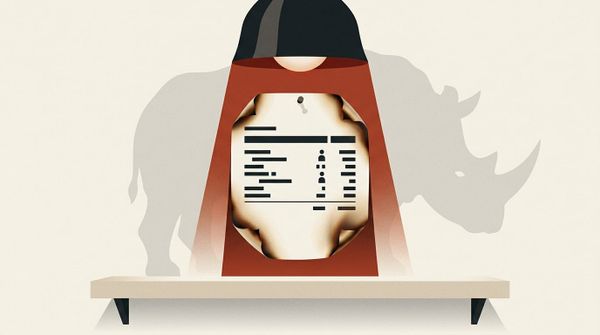
Most fast-food stores are run by independent owners — and 42% lost money in 2025. Now the chains want $480,000–$700,000 per store for remodels. The squeeze is a balance-sheet event the market still calls a blip.
TV & Streaming
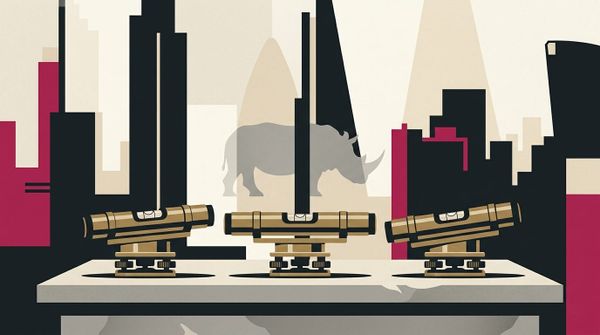
Television sold $20 billion of ads a year on one trusted count of viewers. Now three rivals can settle deals, NBCUniversal has defected, and Nielsen stands accused of hiding data. The market calls it a vendor spat. It isn't.
TV & Streaming
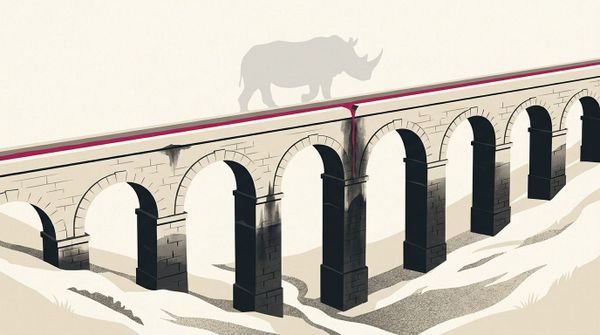
Broadcasters' cable fees were a growth engine. Now pay-TV homes are falling 5.8% a year and price hikes can't keep up. A $1.2 billion yearly shortfall is hiding inside forecasts that still expect growth.

TV & Streaming
Young viewers now rent streaming one show at a time — subscribe, binge, cancel, repeat. Monthly cancellations have nearly tripled since 2019, quietly repricing $2.9bn of yearly revenue that services still value as if subscribers stay.